
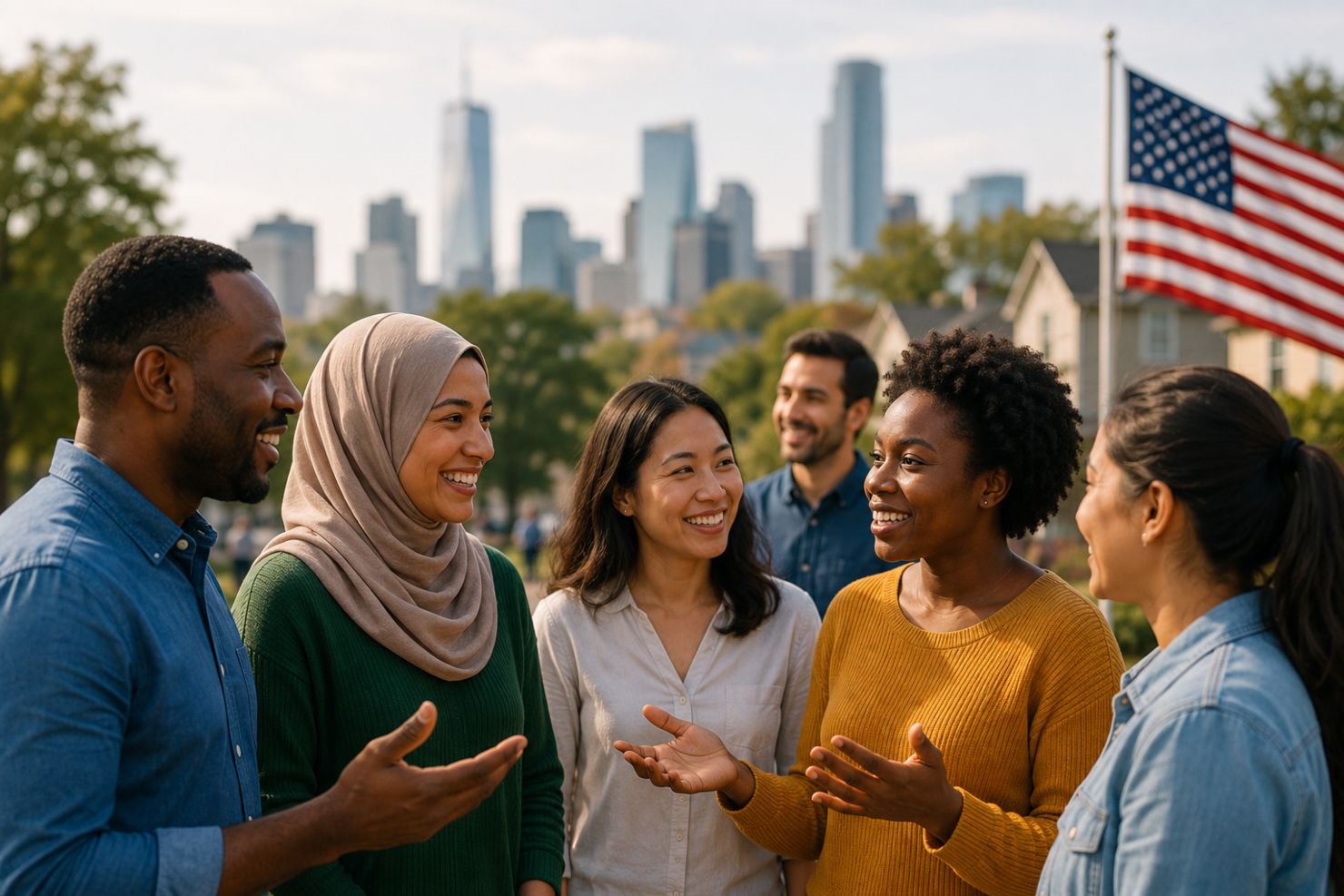
For African immigrants and other recent immigrants to the U.S., the hardest part often isn’t arrival; it’s what comes after. Cultural adaptation challenges can show up in small daily moments: different workplace expectations, unfamiliar school systems, and the feeling that simple conversations require extra effort. At the same time, community connection barriers, busy schedules, language gaps, regional norms, and fear of being misunderstood can make even friendly neighborhoods feel distant. With the right mindset and support, cultural integration in America becomes less about “fitting in” and more about building steady belonging.
Use 4 Fast Wins to Build Your Local Circle
Culture shock can make even simple conversations feel heavy. These four “fast wins” give you clear steps to meet people, practice confidence, and build the kind of community that helps you thrive.
- Enroll in an English class and practice one real-life script: Start with a free or low-cost English language class at a library, community college, adult education center, or immigrant support program. On day one, write one “script” you will use all week, like how to introduce yourself, ask for help in a store, or talk to your child’s teacher. After each class, practice that script with one person (a neighbor, classmate, or cashier) so English becomes a daily tool, not just homework.
- Join one local community group and show up three times: Choose one group that matches your real life, parent associations, faith communities, neighborhood groups, cultural associations, business meetups, sports clubs, or professional groups. Your goal is simple: attend three times before you decide if it’s “for you.” The first visit is for observing, the second is for learning names, and the third is for contributing, bringing a snack, helping set up chairs, or asking one person for a recommendation like “Where do people here get good haircuts?”
- Volunteer in a role that fits your strengths (2 hours a month is enough): Volunteering is social networking for immigrants because it gives you a reason to talk to people without feeling like you’re “begging” for connection. Pick one place where your skills matter, community garden, food pantry, library events, school activities, neighborhood cleanups, or a cultural festival team. If you’re nervous, ask for a task with clear steps (sorting, greeting, preparing materials) and invite a friend or family member once.
- Attend American cultural events with a “two-question plan”: Choose one event each month, local sports games, fairs, holiday parades, museum free days, school performances, or town hall meetings. Before you go, prepare two friendly questions you can ask anyone: “What do you like most about this event?” and “Is there another event like this you recommend?” Leave with one next step: a date, a location, or one new contact.
These wins work best when you track them lightly, one note per week: a new name, a new place, and one lesson from culture shock you’re learning to manage, so your local circle grows while you keep your roots strong.

Weekly Habits That Keep You Connected and Growing
Fast wins start connections; habits keep them strong. These practices help you use online tools, immigrant support organizations, and steady information flow to connect, adapt, and thrive with confidence over time.

Two-Message Check-In
- What it is: Send two voice notes to family or mentors using WhatsApp or FaceTime.
- How often: Twice weekly
- Why it helps: Consistent touchpoints protect cultural identity and reduce loneliness.
Community Calendar Scan
- What it is: Review library, school, and city calendars, then save one event.
- How often: Weekly
- Why it helps: You always have a next place to show up.
One Helpful Post, Not a Perfect Brand
- What it is: Share one useful tip or update on social media activity.
- How often: Weekly
- Why it helps: branded search volume increase can grow when you stay consistently visible.
Support-Organization Touchpoint
- What it is: Call or email one immigrant support organization and ask one clear question.
- How often: Every two weeks
- Why it helps: You learn services, referrals, and trustworthy next steps.

News With a Filter
- What it is: Follow two local sources and one national update, then write one takeaway.
- How often: Weekly
- Why it helps: You stay informed without getting overwhelmed or misled.
Common Questions About Settling In and Belonging
Q: What are some effective ways for recent immigrants to quickly build a supportive social network in their new community?
A: Start where repeating contact is built in: libraries, faith communities, school events, volunteer shifts, and neighborhood meetings. Choose one weekly activity and introduce yourself to two people each time, then follow up within 48 hours. Community involvement works because it creates shared purpose, and social outcomes improve when people engage in structured community learning.
Q: How can I overcome feelings of loneliness and cultural confusion while adjusting to life in the U.S.?
A: Name what you are feeling and give it a timeline, since early adjustment is often uneven. Create two anchors each week: one familiar routine from home and one small U.S. routine like a class, gym walk, or local meetup. If stress rises, limit news and choose one trusted person to reality-check your assumptions.
Q: What strategies help maintain strong relationships with family and friends back home despite the distance?
A: Set a predictable rhythm like a short call on fixed days, plus quick voice notes for everyday moments. Share one photo or story from your week and ask one specific question so conversations stay warm, not only about problems. Plan a shared activity monthly such as praying together, watching the same program, or reading the same passage.
Q: How can I find trustworthy support groups or resources that understand the challenges immigrants face?
A: Look for organizations connected to schools, public libraries, legal aid clinics, and community health centers, then ask what services are free and what referrals they can make. Trust builds when staff can explain costs, confidentiality, and timelines clearly. Remember you are not alone, and the immigrant population has increased in many regions, so immigrant focused services are often more available than they seem.Q: What should I consider if I want to explore online business degree programs to create new career opportunities while adapting to life in the U.S.?
A: Start by clarifying your timeline, work schedule, childcare needs, and budget, then choose a program format that matches your real capacity. Compare accreditation, transfer credit, internship or project options, and whether courses cover practical skills like accounting, marketing, and entrepreneurship, and take a look at this for a quick overview of online business degree options. Connect the degree to a simple career plan: target roles, build a portfolio, and use campus career services or local workforce centers for resume and interview support.
Understanding Cultural Adjustment and Belonging
Cultural adjustment is the slow process of learning local “rules” while keeping your identity intact. A sense of community grows when you feel seen, useful, and safe with people around you. Cross-cultural understanding is the skill of noticing differences without judging them, then choosing respectful ways to respond.
This matters because integration supports emotional wellbeing, not just social life. When you have a few trusted relationships, daily tasks feel lighter, from talking with a child’s teacher to asking a coworker for clarity.
Think of confidence like a savings account. Each small action, greeting someone, joining a group chat, attending a meeting, is a deposit. Over time, those deposits become the courage to network for work, learn business norms, and advocate for your family.
One Weekly Connection Habit That Builds Belonging and Confidence
Feeling at home can take longer than expected when new cultural cues, busy schedules, and old fears make connection feel risky. A steady mindset of cultural adjustment, small, respectful choices that grow a sense of community over time, keeps community integration motivation strong without demanding perfection. With repetition, positive immigrant experiences become more common, social connection encouragement feels natural, and adaptation success stories start to sound like your own. Belonging grows faster when one small connection becomes a weekly habit. Choose one move this week, repeat it, and track the small wins that come from showing up. This is how uplifting immigrant journeys turn into stability, resilience, and real community support.